M-SAN HQ
Choose when increasing salt brings no benefit to your process.
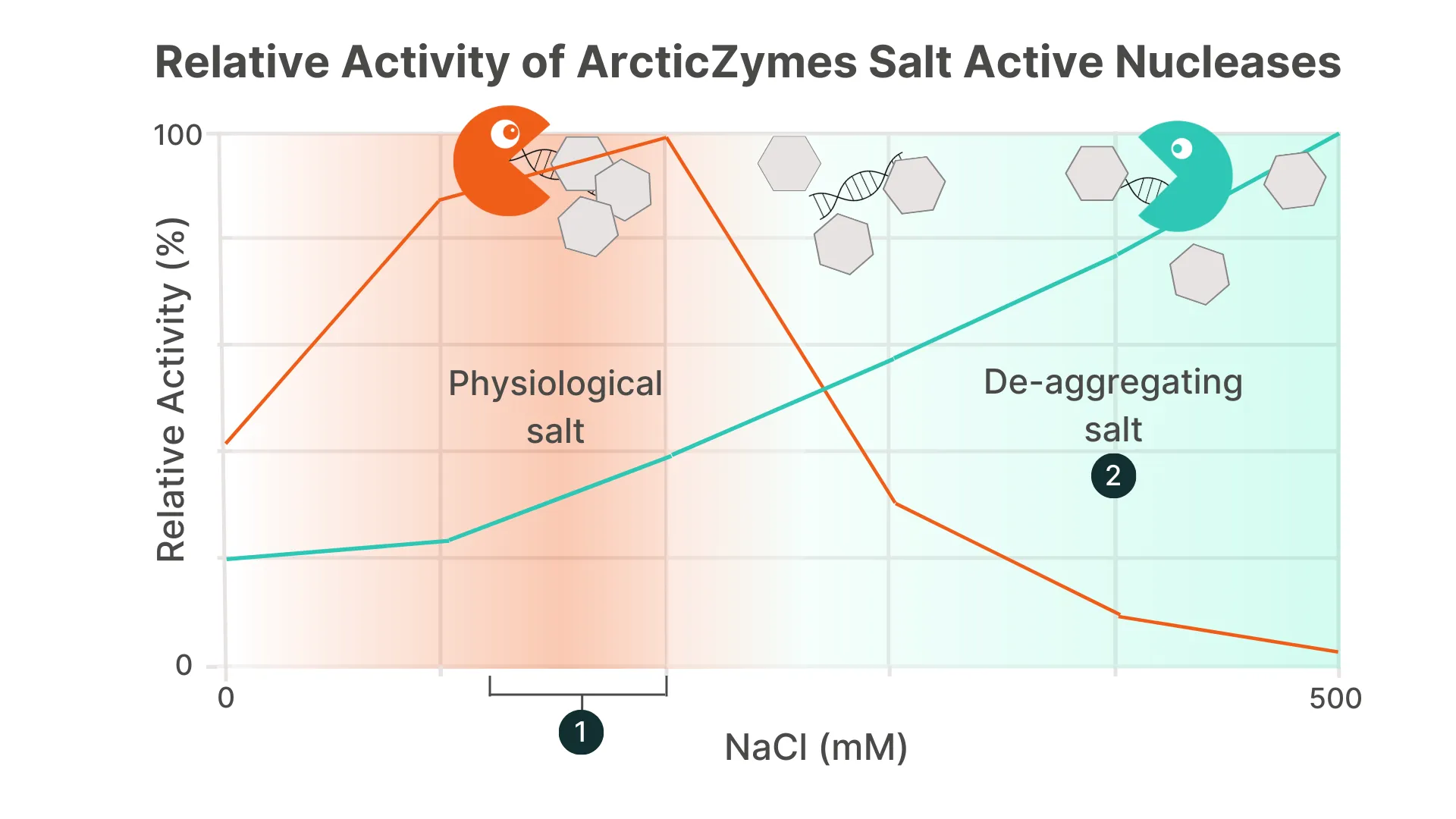
- Lower or moderate aggregation, often including AAV8*
- Physiological salt, with no additional salt or buffer change
- Best fit: pH 7.2–7.5 at 37 °C
For AAV, typical recovery is around 40% meaning up to 60% of produced viral vector is lost in downstream processing, and host-cell chromatin left by conventional nucleases is a hidden driver of that loss.
Effective host-cell DNA removal depends on the conditions of your AAV or adenoviral process. M-SAN HQ removes chromatin-associated DNA at physiological salt, while SAN HQ remains active at high salt, where salt can also help reduce capsid aggregation.
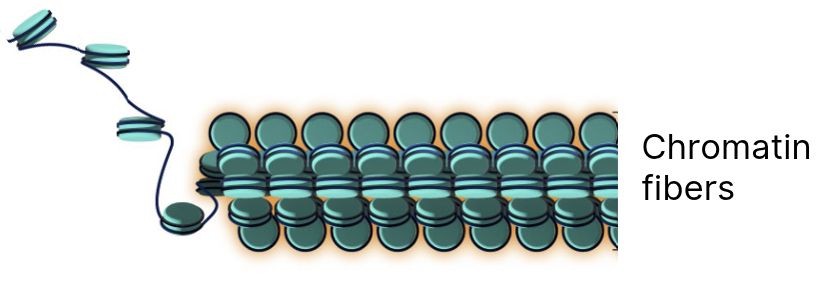
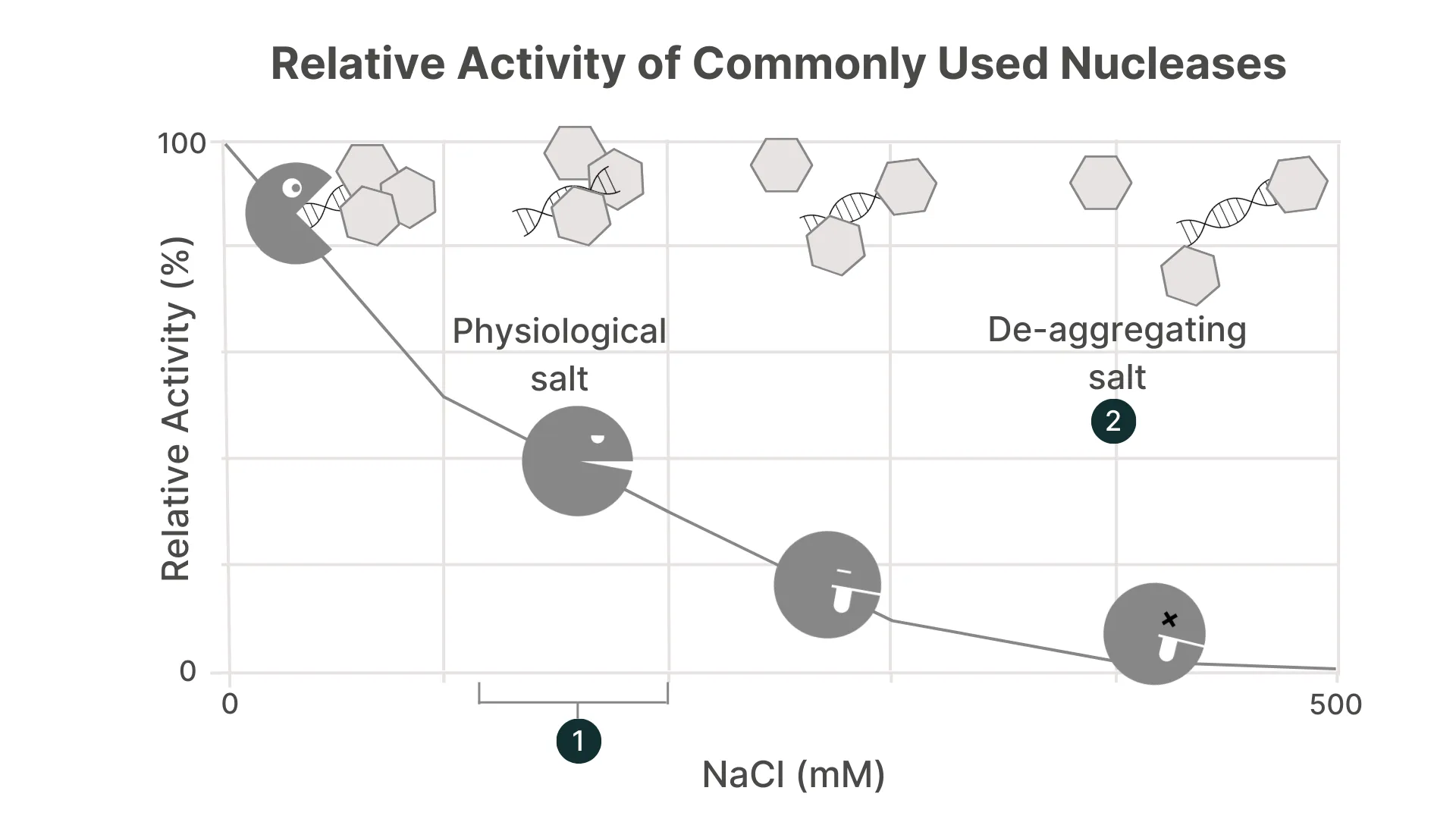
For non-enveloped vectors, high salt can work in your favor in two ways. As ionic strength increases, it screens the electrostatic interactions between negatively charged DNA and positively charged histones. From around 400 mM NaCl, nucleosomes begin to loosen, making chromatin more accessible to nuclease digestion.
At the same time, higher salt can reduce vector aggregation and release DNA trapped within aggregates. This is why many AAV and adenovirus processes use lysis conditions around 500 mM NaCl, with some operating at even higher concentrations.
The challenge is nuclease activity. Conventional S. marcescens nucleases lose more than half of their activity in cell culture media and become nearly inactive at the high-salt conditions where chromatin is most accessible.
This creates a process trade-off: the conditions that help expose chromatin can also prevent a conventional nuclease from efficiently digesting it. As a result, efficient DNA clearance may require process adjustments such as dilution or desalting, increased enzyme concentrations, or adding an extra nuclease treatment later in the process..
Adapt the nuclease to your process,not your process to the nuclease. For non-enveloped vectors there are two ways to clear chromatin, and the right one depends on whether high salt benefits your process.
A viral vector core at a major US academic center compared its previous process, using a conventional nuclease at physiological salt, with SAN HQ at 500 mM NaCl. SAN HQ left less residual DNA with less nuclease, without loss of vector yield or activity, independent of serotype.
In ArcticZymes model studies, SAN HQ also removed DNA efficiently when added with a 500 mM salt lysis buffer directly to HEK293 cells in culture medium.
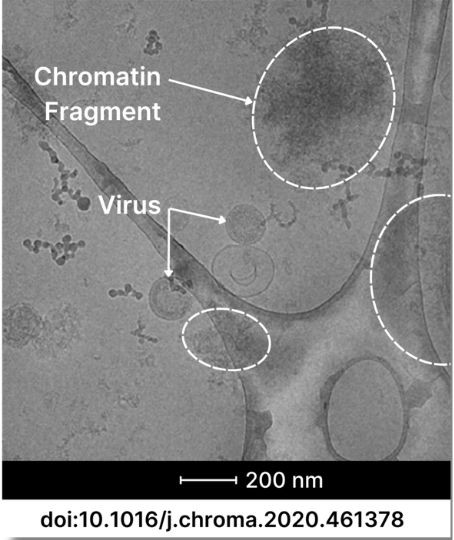
The chromatin evidence from enveloped virusescarries over in: the acib measles virus study, salt-active nuclease treatment removed chromatin to below detection in the flow-through, where two conventional nucleases left a clear chromatin band.
Modeled AAV scenario: 2,000 L AAV2 process, 1×10¹⁴ VG/L titer, 44% overall recovery, SAN HQ compared with two conventional nucleases. Absolute costs vary by process. Download the whitepaper for the full model, the AAV and lentiviral scenarios, and the independent data behind them.
Use our starting protocols for M-SAN HQ at physiological salt or SAN HQ at high salt.
Most residual DNA assays measure accessible DNA,so chromatin-bound DNA can be under-reported — a nuclease that looks adequate on a standard assay may still leave nucleosome-protected DNA that effects filtration, purification and recovery. The same effect reaches genome titering:for qPCR or ddPCR, HL-SAN (the research and analytical grade SAN HQ) removes free and chromatin DNA while intact capsids protect the vector genome, giving a cleaner, more accurate titer. Learn more in our webinar: Your Viral Vector Analytics May Not Reflect Process Reality.
Host-cell DNA also carries CpG motifs that can trigger innate immune responses, and extra-viral DNA can vary from lot to lot without showing up in titer measurements.
M-SAN HQ and SAN HQ are made in Norway under an ISO 13485:2016 certified quality management system, from raw materials of certified non-animal origin. They are ancillary materials and are not intended to be part of the final drug product.
“Given its optimal activity in high salt conditions, SAN HQ improves downstream processes and reduces purification time without loss of vector yield and activity. SAN HQ’s improved efficiency is serotype independent.”
Lab Director, viral vector core at a major academic centre in the mid-Atlantic region (US)